

Breaking down barriers to PACES success in the south-west of England
In our latest next generation blog, Dr Lindsay Jones describes how a free, regionally delivered PACES course is helping resident doctors succeed by removing cost and access barriers and showing what equitable training can look like in practice.
For many resident doctors, preparing for PACES is one of the most demanding stages of training. High-quality preparation is essential, but too often it comes at a significant financial and logistical cost. In regions like the south-west of England, where travel to major centres can be both expensive and impractical, those barriers can be even harder to overcome.
At the Royal Devon University Healthcare NHS Foundation Trust, clinicians set out to change that. Led by Dr Lindsay Jones, with support from a wide network of colleagues from specialties across the hospital who give up their own time for free, the team developed a fully immersive PACES preparation course, delivered entirely free of charge to resident doctors across the region.
‘Our aim was simple,’ says Lindsay. ‘We wanted to create a course that was as high quality as anything available nationally, but without the financial barrier that can hold resident doctors back.’
Launched in 2022, the course is designed to replicate the PACES exam as closely as possible. It combines full mock examinations using real patients with small-group teaching, practical clinical skills sessions and structured tutorials on exam technique. This focus on realism gives resident doctors the chance to practise under pressure, build confidence and receive meaningful feedback.
Collaboration has been central to its success. College tutors, simulation teams, postgraduate education leads and volunteer clinicians from across specialties have all contributed their time and expertise. Patients have also played a vital role, helping to create an authentic exam environment. Lindsay acknowledges that ‘it would not be possible to run this programme without patients, fellow college tutors Dr Simon Patten and Dr Ben Dyer, RCP chief registrar Dr Nicola Maddox, associate college tutors, the director of medical education, clinical leads and an incredible clinical education administrative team. I feel very privileged to work with them all.’
Dr Nicola Maddox says: ‘What’s made this work is the collective effort. People have come together because they recognise how important PACES is, and they want to support resident doctors to succeed.’ Nicola adds: ‘This was all Lindsay’s work — she is an absolute inspiration to us all’, highlighting the drive and commitment behind the course’s success.
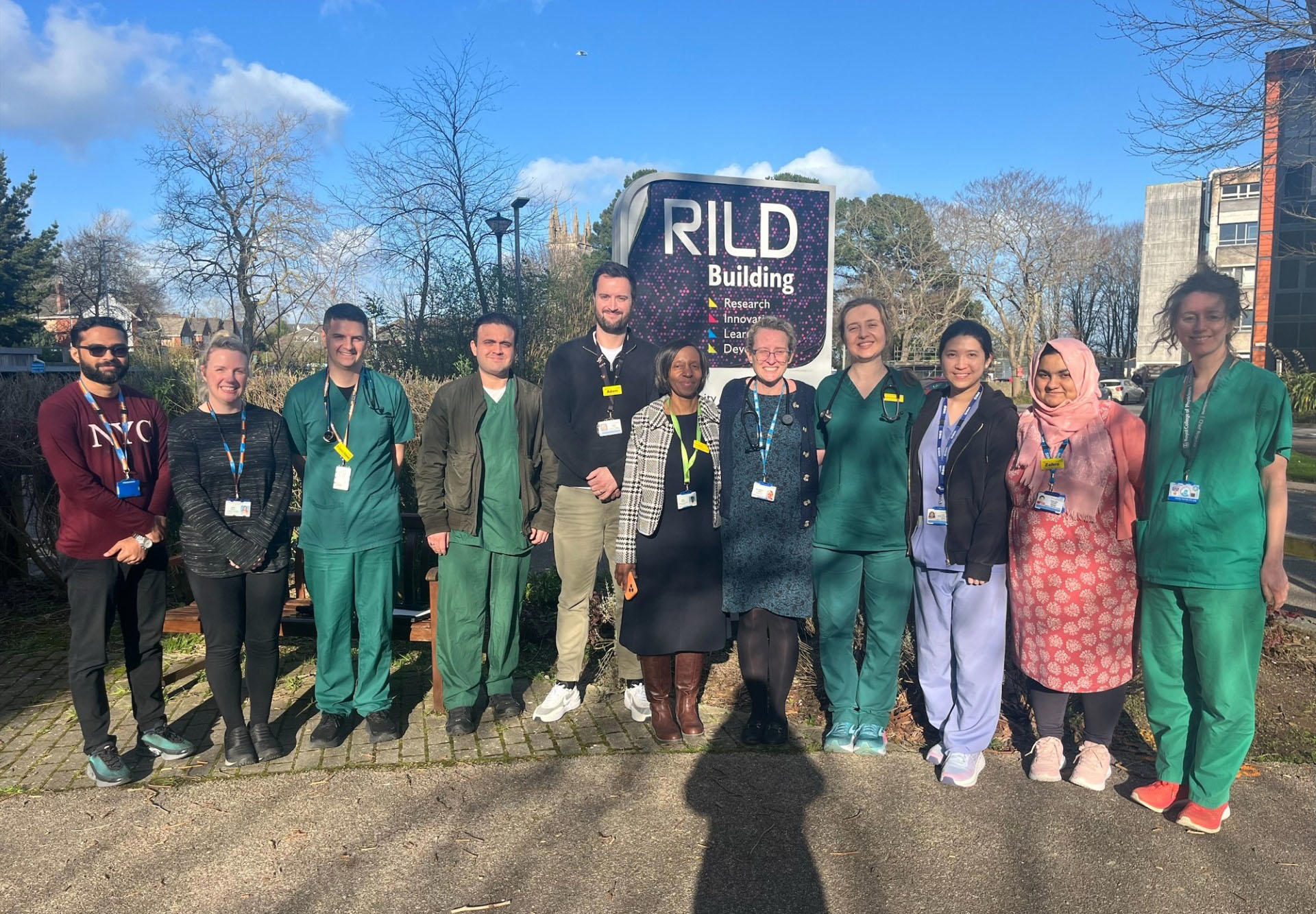
The course prioritises resident doctors who are closest to sitting PACES, ensuring that support is targeted where it is most needed. Through the generosity of volunteers and strong organisational backing, it has remained completely free, including catering for both participants and patients.
The impact has been clear. Feedback is consistently outstanding, with resident doctors highlighting the realism of the mock exam, the quality of teaching and the supportive environment.
‘One of the best PACES preparation experiences I’ve had,’ said one participant. ‘It pushed me out of my comfort zone, but in a way that really built my confidence.’
Many attendees go on to pass PACES shortly afterwards, often returning as faculty themselves. This has helped to create a sustainable model, with a growing network of clinicians and patients supporting delivery year on year.
‘It’s incredibly rewarding to see former candidates come back as teachers,’ adds Lindsay. ‘It creates a cycle of support that strengthens the whole training community.’
Looking ahead, there are plans to expand the course by increasing capacity and running it more frequently. But the core aim remains unchanged: to ensure that access to high-quality PACES preparation is not determined by geography or personal finances.
This initiative is a practical example of the RCP’s next generation campaign priorities in action. By removing barriers and investing in equitable training, it shows how local innovation can deliver national impact and help every doctor succeed, wherever they train.
Legal Disclaimer:
EIN Presswire provides this news content "as is" without warranty of any kind. We do not accept any responsibility or liability for the accuracy, content, images, videos, licenses, completeness, legality, or reliability of the information contained in this article. If you have any complaints or copyright issues related to this article, kindly contact the author above.
